Chapter Zero
Why Mars?
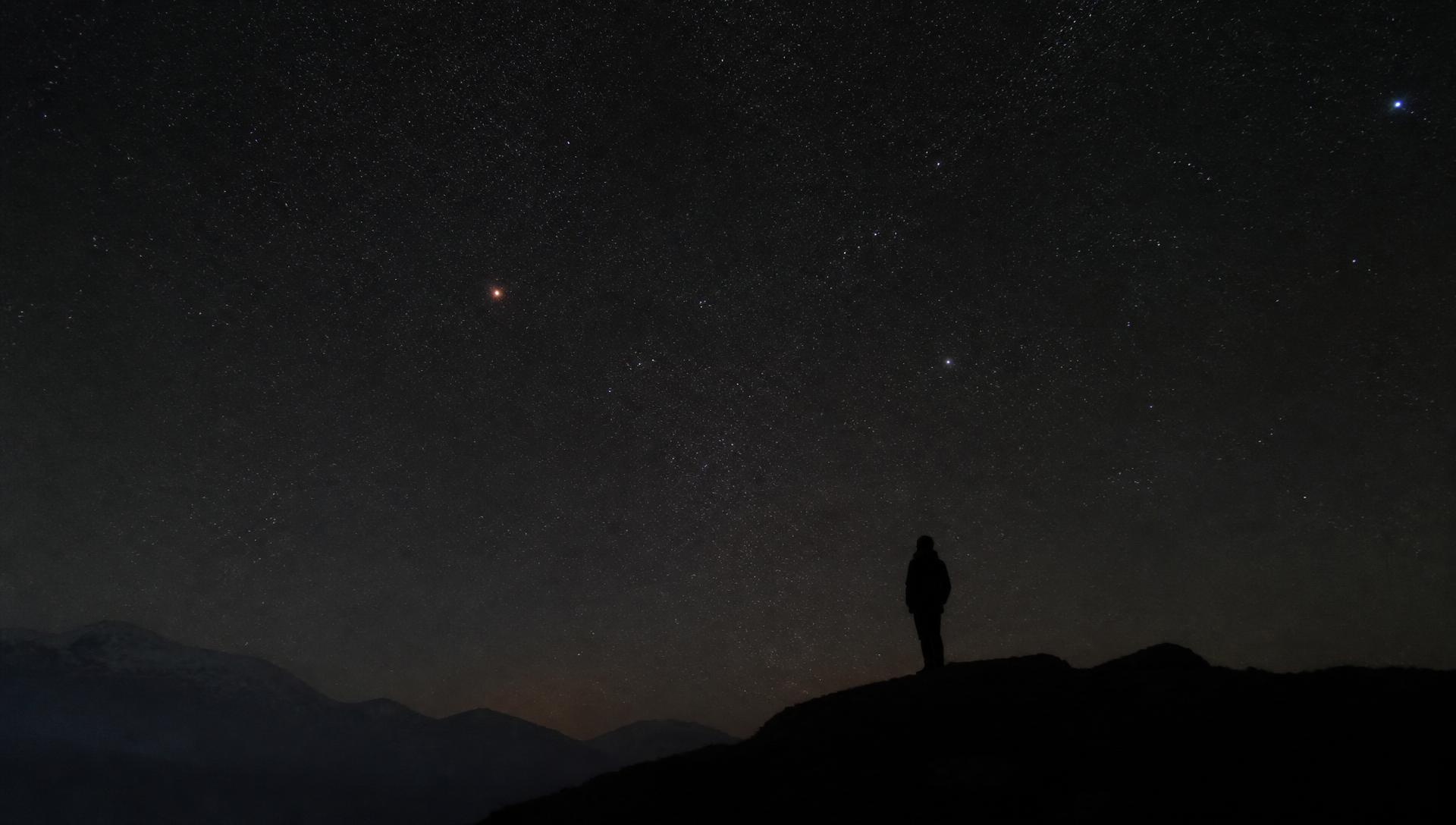
Because for as long as we have had eyes, one light has refused to behave like a star.
I The long look up
Every civilisation named it.
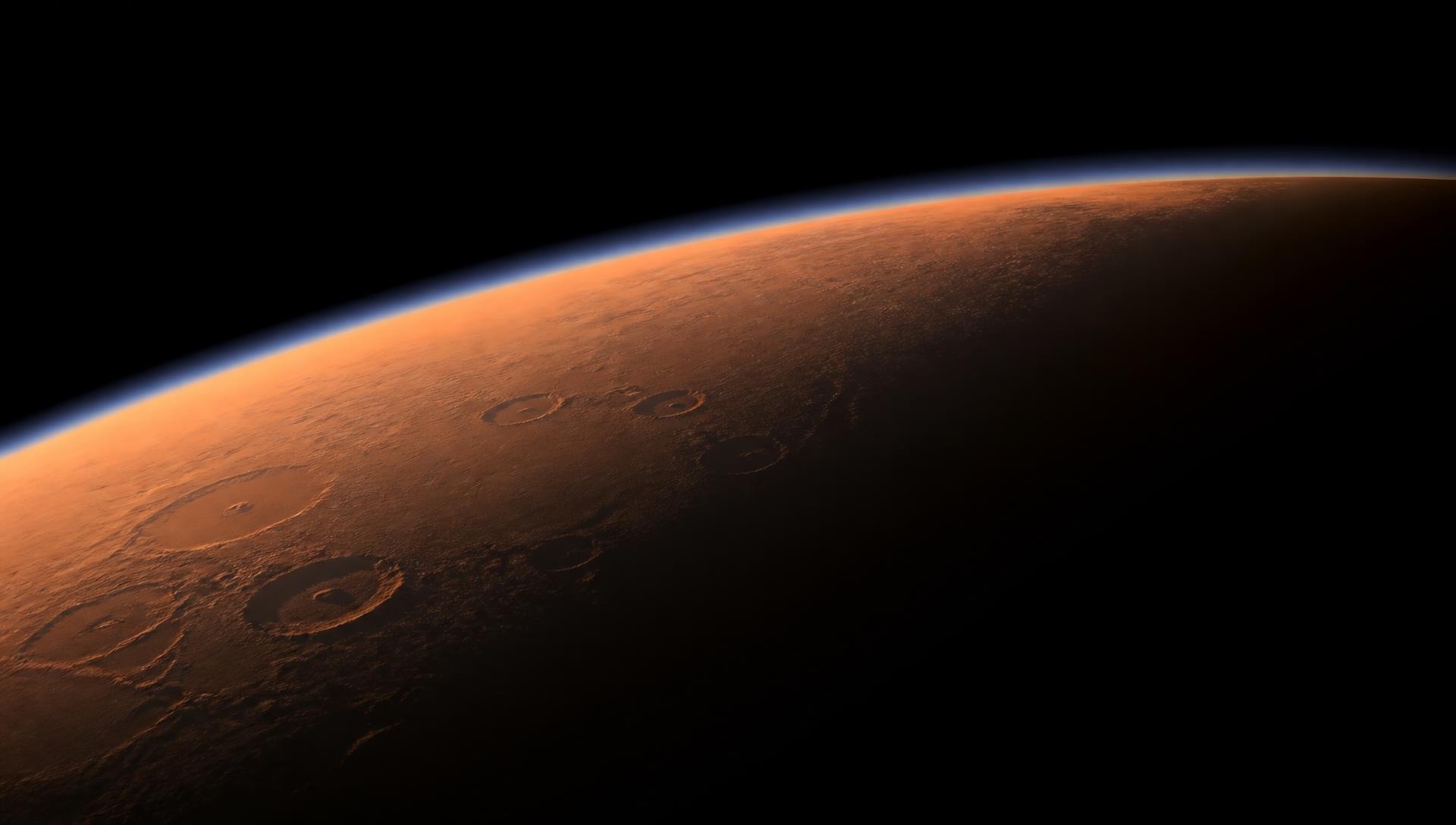
Babylon called it Nergal. Rome called it Mars. We called it a destination.
II A record of arrivals
Sixty years of going, and not stopping.
1965
Mariner 4
First 21 photographs. A world becomes a place.
1976
Viking 1
The first soft landing. Dust settles on a lens.
1997
Sojourner
Wheels turn on another planet for the first time.
2021
Perseverance
A sample is sealed, addressed to a future crew.
III What symbolic ownership means
A name, entered against a coordinate.
No nation may claim Mars, the 1967 Outer Space Treaty saw to that, and we would not want it otherwise. What Land on Mars keeps is something older than title: a register.
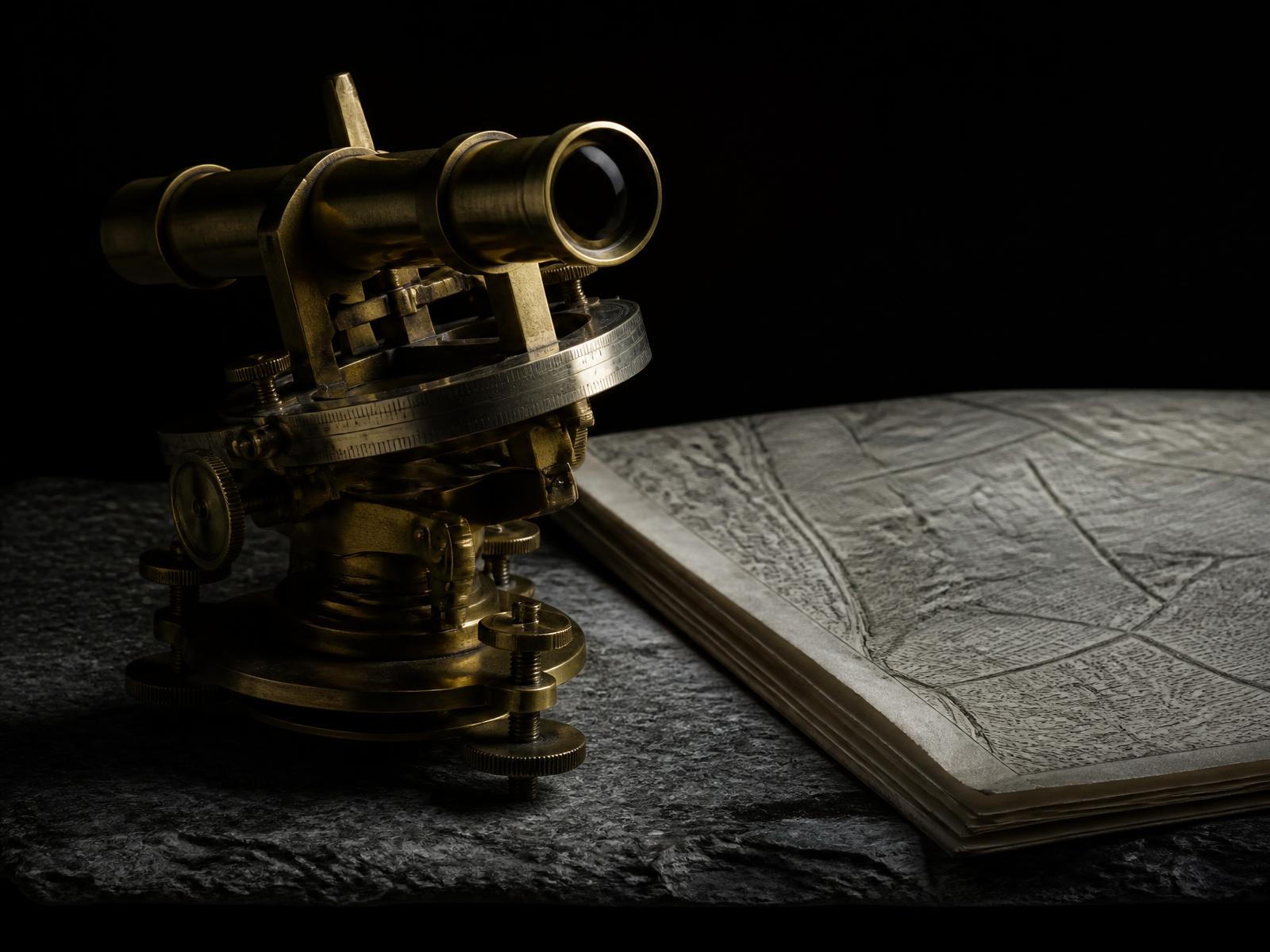
Your parcel is surveyed, numbered, and recorded in perpetuity, a symbolic claim, issued as an object worth keeping. It confers imagination, not jurisdiction.
- Surveyed
- Real MOLA topography
- Numbered
- One holder per parcel
- Recorded
- Perpetual registry entry
- Issued
- 640 gsm archival plate
IV Legacy
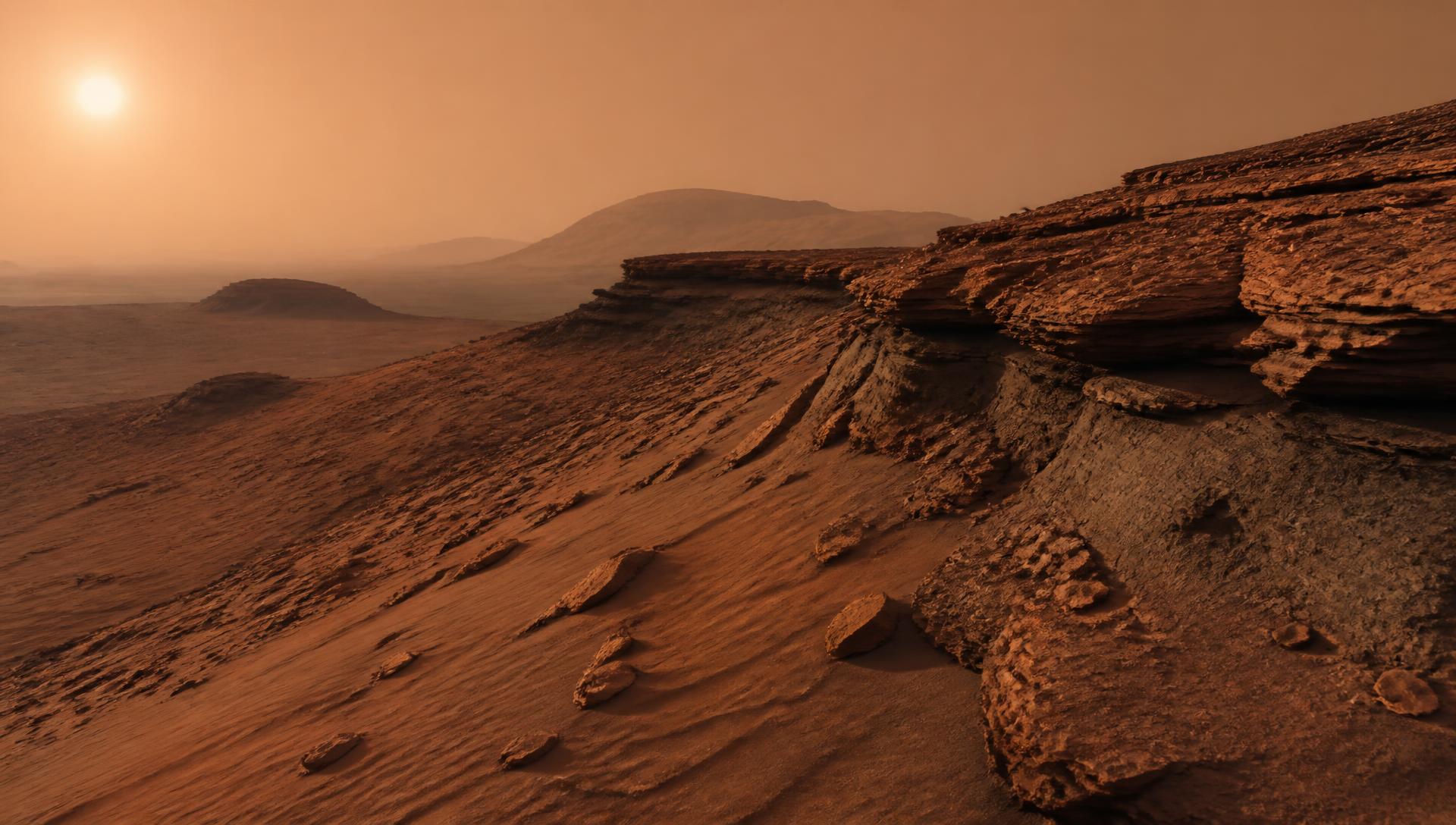
Someone will stand there.
Not in fiction. In a lifetime, perhaps a child's, perhaps yours. The register you enter today will still be there when they do.
Coda